Top Web Design Trends for 2026
Web design in 2026 is moving in a clear direction: more personality, more intention, and fewer cookie-cutter layouts. Brands are stepping away from stiff templates and leaning into design that feels human, immersive, and memorable—without sacrificing usability.
Whether you’re planning a brand refresh or building a site from scratch, these are the top web design trends for 2026 that are shaping modern websites right now (and will only gain momentum).
Modular, Asymmetrical Layouts (Goodbye Perfect Grids)
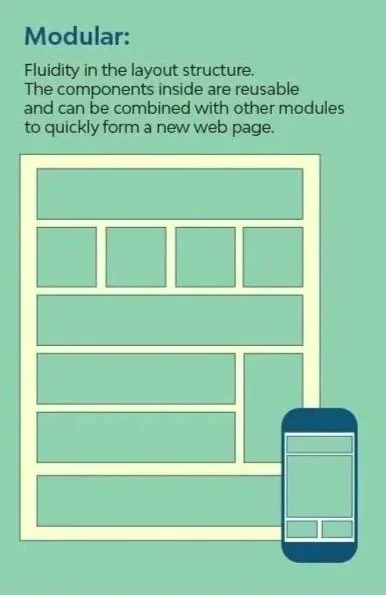
Perfectly aligned grids are taking a back seat. In 2026, layouts feel editorial, flexible, and intentionally imperfect.
What this looks like:
Overlapping sections
Offset images and text
Modular “content blocks” that feel rearrangeable
Pages that guide the eye instead of boxing it in
This trend works especially well for creative studios, lifestyle brands, photographers, and boutiques—any brand that wants to feel curated rather than corporate.
Why it works:
Asymmetry creates movement and keeps users scrolling without overwhelming them.
Soft Neutrals + Muted Color Pops
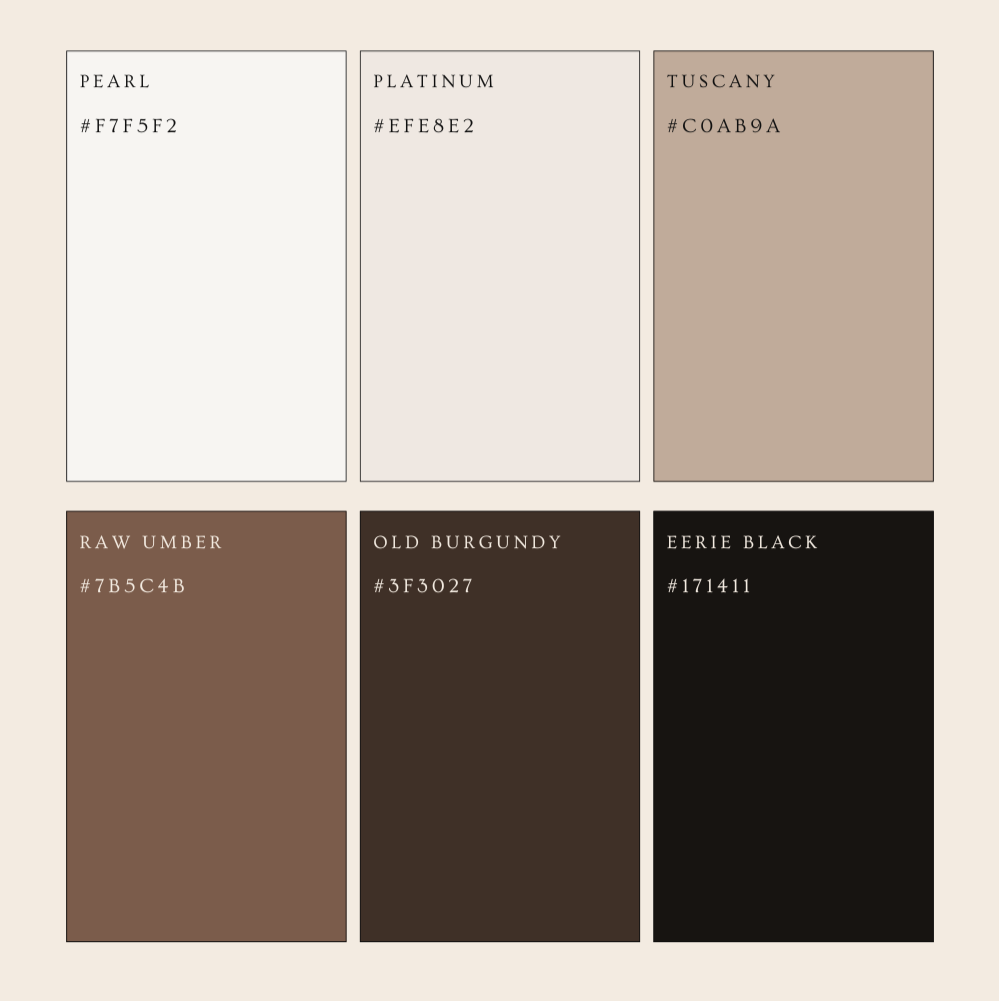
Color palettes in 2026 are calm, warm, and intentional. Instead of bright, high-contrast designs everywhere, brands are opting for soft neutrals with carefully chosen accent colors.
Trending color directions:
Warm taupes, sand, and stone
Clay, olive, slate, and muted terracotta
One bold accent (deep blue, rust, forest green)
This creates a timeless, elevated feel—especially important for brands that want longevity instead of chasing trends.
Best for: wellness brands, service-based businesses, creatives, interior design, food & beverage, and small shops.
Statement Typography (Let Fonts Do the Talking)
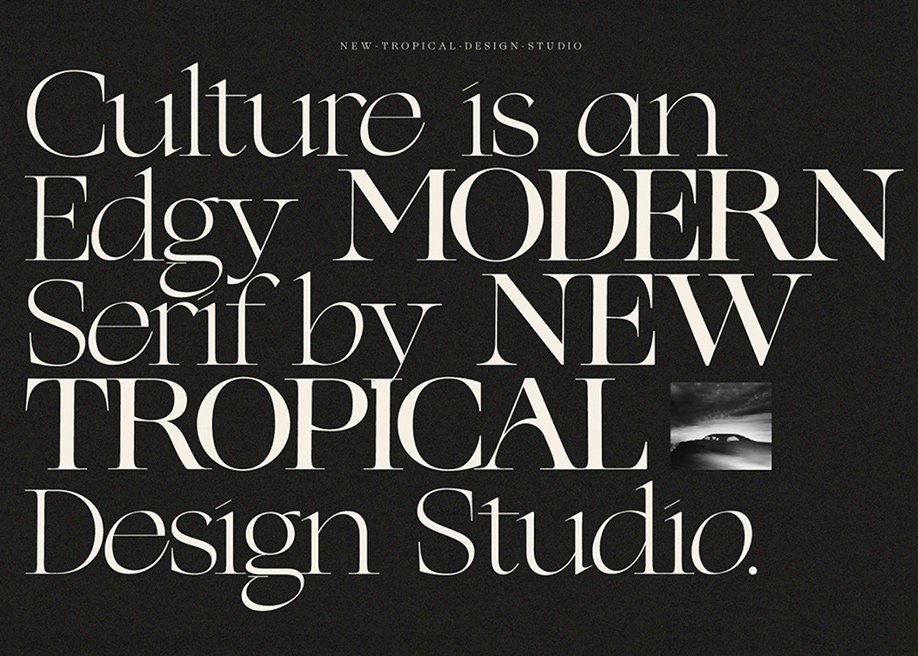
In 2026, typography isn’t just supporting the design—it is the design.
What’s trending:
Large-scale headlines
Modern serif fonts paired with clean sans-serifs
Intentional line breaks and spacing
Fewer fonts, used more confidently
Instead of cluttering pages with too many visuals, designers are letting words carry weight.
Pro tip: One strong headline font + one clean body font is often more impactful than four “interesting” ones.
Subtle Motion & Micro-Interactions
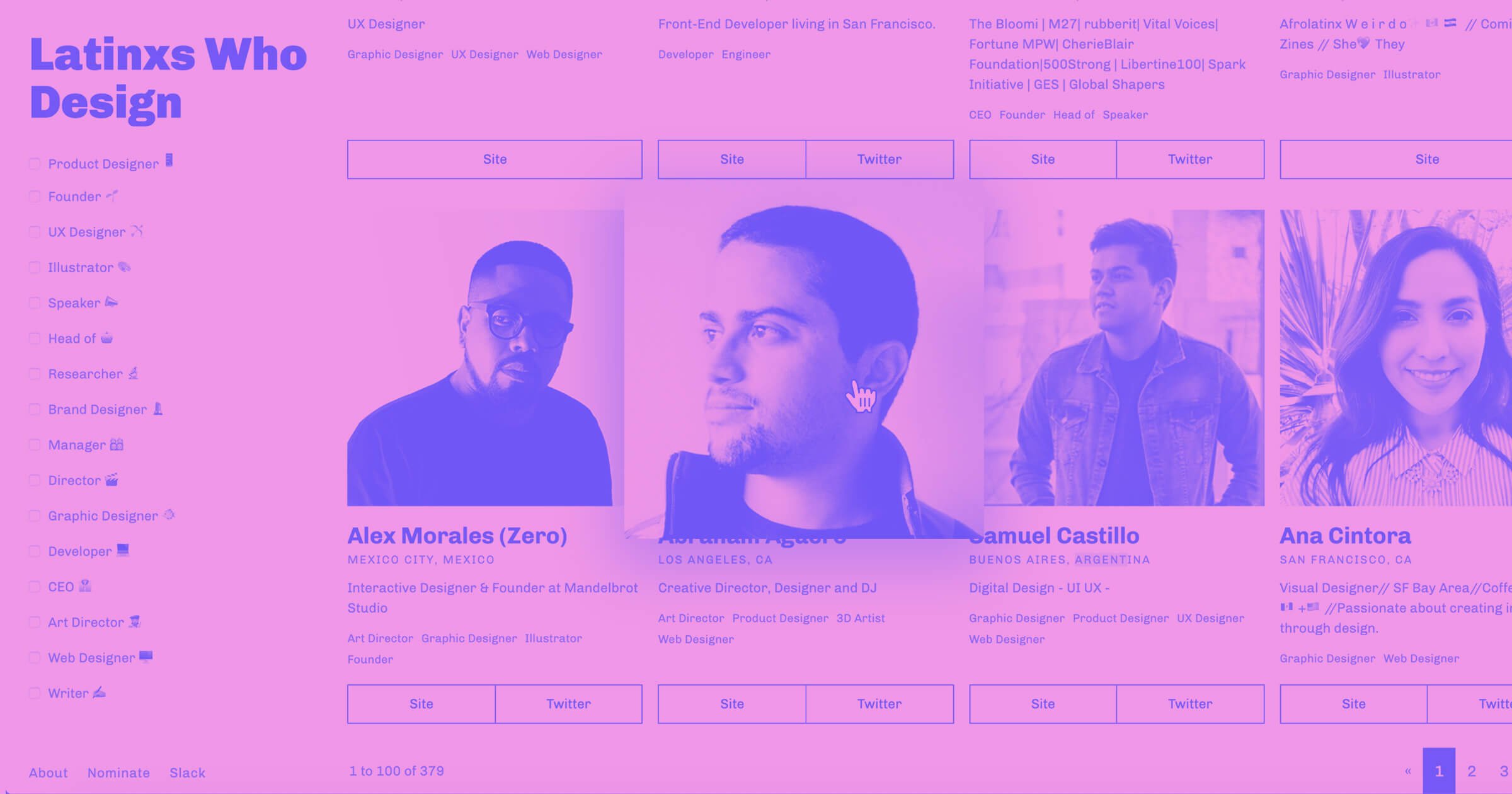
Forget flashy animations. In 2026, motion is quiet, purposeful, and satisfying.
You’ll see:
Gentle hover effects
Buttons that subtly respond to interaction
Images that fade or slide in on scroll
Minimal parallax movement
These micro-interactions make a site feel alive without slowing it down or distracting the user.
Why it matters: Motion improves user experience and makes your site feel thoughtfully crafted—not static.
Real Imagery Over Stock Photos
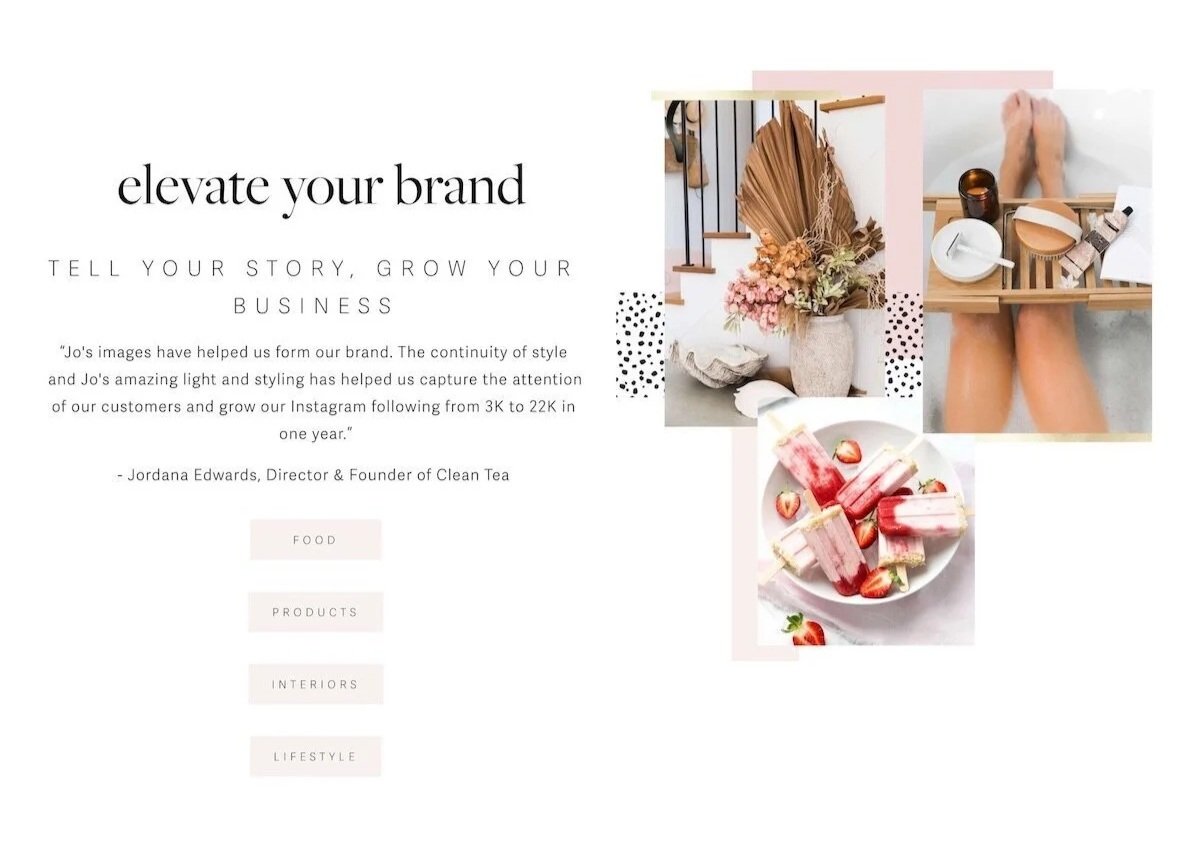
Stock photos are officially on notice. In 2026, users can spot them instantly—and they don’t trust them.
What’s replacing them:
Real brand photography
Casual, imperfect lifestyle images
Behind-the-scenes shots
Cropped, editorial-style photos
Even phone photos, when styled well, feel more authentic than overly polished stock imagery.
Bottom line: Real visuals build real trust.
Intentional White Space (Less, But Better)
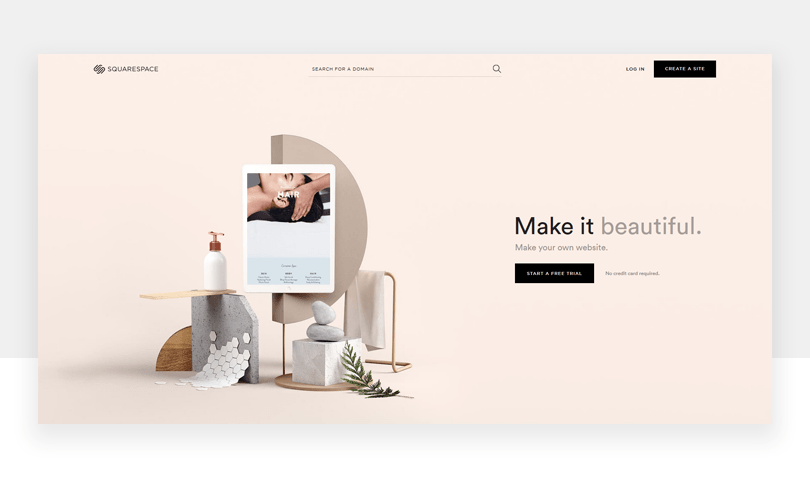
Minimalism is evolving. Instead of empty designs, we’re seeing intentional breathing room.
White space in 2026 is used to:
Guide attention
Improve readability
Make CTAs stand out
Create a premium feel
This trend pairs beautifully with strong typography and muted color palettes.
AI-Assisted, Human-Led Design
AI tools are part of the process—but not the final decision-maker.
In 2026:
AI helps with structure, inspiration, and efficiency
Humans handle strategy, tone, storytelling, and brand feel
The best websites don’t feel automated—they feel considered.
Clients still want: clarity, personality, and someone who understands their goals—not just a fast build.
Clear, Conversational Copy
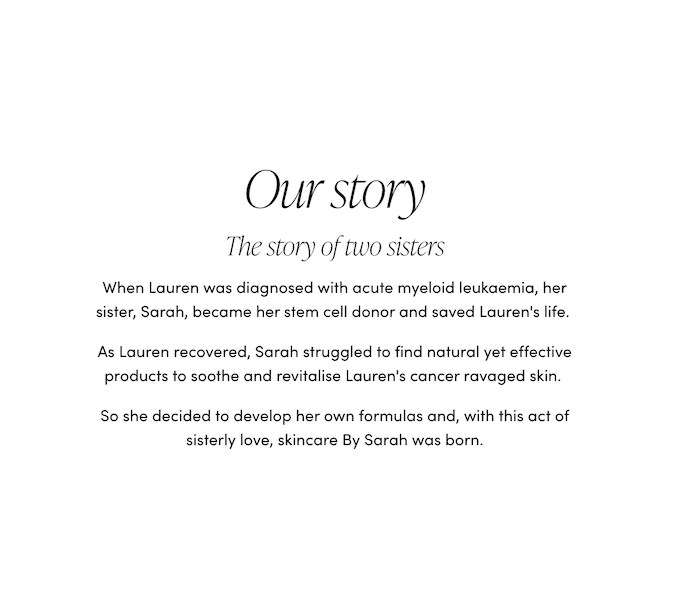
Design trends don’t stop at visuals.
Copy in 2026 is:
Direct
Friendly
Skimmable
Human
Think: fewer buzzwords, more clarity. Users want to understand what you do and why it matters within seconds.
Final Thoughts: Design That Feels Like You
The biggest web design trend of 2026 isn’t a color, font, or animation—it’s intentionality.
The strongest sites:
Feel personal, not templated
Balance creativity with usability
Support real business goals
If you’re planning a new site or refresh, use these trends as inspiration—not rules. The best design is the one that fits your brand, audience, and goals.